



Affiliate Disclosure
Some links on this page are affiliate links. As an Amazon Associate, we earn from qualifying purchases — at no extra cost to you. We do not buy, test, or physically handle the products we cover; our rankings come from aggregated owner reviews, ratings and expert consensus. Commissions never change our verdicts. How we rank & full disclosure.
A smart thermostat is the one device in this pillar that both measures and controls. Almost every disappointing purchase traces back to the same two problems: wiring that doesn't match what the thermostat expects, and savings expectations set by a box rather than a real house.
Does a Smart Thermostat Need a C-Wire and WiFi to Work?
Most do. The C-wire supplies continuous 24-volt power to the display, WiFi radio and sensors. Many homes built before the 2000s never had one run. Workarounds exist, but they're workarounds, not equivalents.
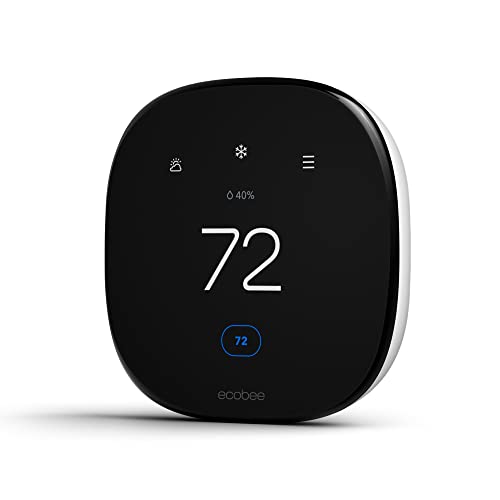
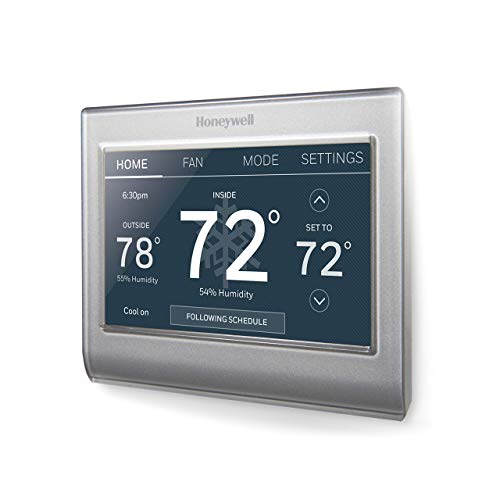
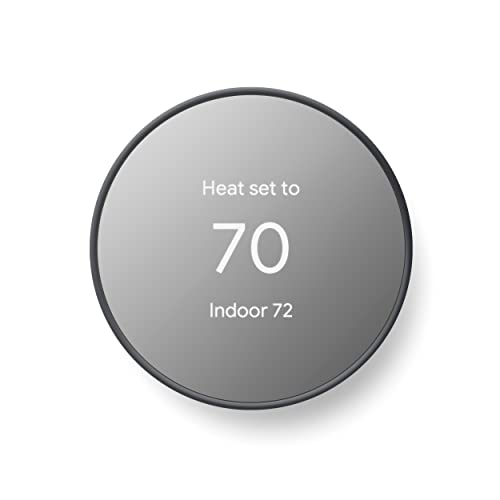
Before you buy anything, pull the existing thermostat off the wall and photograph the terminal block. Nest, ecobee and Honeywell all ship compatibility checkers on their sites, so confirm before you order rather than after.
Installation and power stealing
A thermostat with no C-wire pulls a trickle of current through the heating circuit to charge itself during installation. On some furnaces that trickle is enough to make a relay chatter or trip a fault. If you want the low-risk path, get the C-wire run properly rather than relying on power stealing.
How Much Can a Smart Thermostat Save? Energy Savings and Scheduling
Less than the marketing implies, but the effect is real. ENERGY STAR estimates roughly 8% off heating and cooling costs for certified smart thermostats. The energy savings come from a schedule that actually runs, not from any intelligence in the device.
If you already keep a disciplined manual scheduling habit, the upgrade won't do much for your bill. If your thermostat has been sitting on one number year-round, the difference can be noticeable.
Programmable geofencing and learning
A programmable schedule is the base layer every model ships with. Geofencing uses your phone's location to trigger setback the moment everyone leaves. Learning thermostats build a schedule from your manual adjustments instead of asking you to program one from scratch.
Will It Work With a Heat Pump? HVAC Compatibility Explained
Heat pumps, yes — but you need a model that handles the O/B reversing valve and auxiliary heat stages properly. Ductless mini-splits and line-voltage baseboard are different HVAC systems entirely and need purpose-built controls.
A thermostat that lacks proper staging logic will call for expensive backup heat far more often than necessary, and owners notice it on the next bill. If you have a heat pump with auxiliary heat, multi-stage support isn't optional.
Zoning and app control
Zoning splits a home into rooms with different setpoints, usually through several smart vents working with one thermostat rather than the thermostat itself. App control lets you check or override the schedule from anywhere, which is handy the day plans change.
Do You Need Remote Sensors, Alexa or Google Home?
If one room is always the wrong temperature, a remote sensor is worth it — a thermostat only measures the wall it's mounted on. Alexa and Google Home add voice control and routines, which is convenience rather than a fix for a real airflow problem.
Amazon's ecosystem is the most common voice integration point, alongside Google's. A remote sensor in the room you actually sleep or work in changes what the system optimises for, rather than trusting a hallway reading with no windows or heat load.
Energy report tracking
Most apps generate a monthly energy report showing runtime and estimated savings, which is useful for catching a system running longer than it should — a heat pump stuck on backup heat, for instance, shows up clearly in a report before it shows up on the bill.
What Does Installation Actually Involve?
Most homeowners with a compatible system and a C-wire can do it themselves in under an hour — shut off power, label the old wires, match them to the new terminals, and mount the base plate.
Where it gets complicated is exactly the cases already covered above: no C-wire, a heat pump with auxiliary heat, or a system the app doesn't recognize during setup. In any of those situations, an HVAC technician for an hour is cheap insurance against a $250 thermostat that never gets wired correctly. Confirm compatibility before you buy, not after the box is open.
What Do Owners Complain About After the First Year?
Connectivity and dependence, mostly. WiFi dropouts, forced account changes and firmware updates that shift behavior are recurring themes, alongside learning features that quietly override a schedule the owner deliberately set.
The most useful thing to check before buying is what the thermostat does when the internet drops. A well-designed unit degrades to a normal programmable thermostat at the wall; a poorly designed one becomes awkward to operate. A thermostat only makes sense as part of your home's indoor climate as a whole — see heating and cooling a room efficiently for the envelope-side fixes that usually beat any thermostat for return on money spent.
See How We Rank for our full methodology: every recommendation here comes from aggregated real owner reviews, manufacturer specifications and published standards, never from us buying and running a device ourselves.